Research project POLYACQ
Early acquisition and comprehension of polysemous words
The project investigates the linguistic factors that influence the acquisition and comprehension of polysemous words in children and adults.
POLYACQ
Basic information about the research project
PROJECT TITLE:
Early acquisition and comprehension of polysemous words (POLYACQ)
LEAD INSTITUTION:
Faculty of Humanities and Social Sciences, Josip Juraj Strossmayer University of Osijek
PRINCIPAL INVESTIGATOR:
Dr Ana Werkmann Horvat, Assoc. Prof.
PROJECT VALUE:
250.566,88 eura
FUNDING SOURCE:
Croatian Science Foundation
PROJECT TYPE:
Competitive research funding, 5-year implementation project
PROJECT CODE:
UIP-2025-02-5422
PROJECT PERIOD:
1 April 2026 – 31 March 2031 (5 years)
Summary of the project
Polysemy (i.e. words having multiple related meanings) is one of the most productive ways of creating new meanings. Despite being a language universal, the ambiguity of polysemous words can create issues in comprehension. Nevertheless, natural languages use the ability to encode more meanings in one form in their favour. This tendency seems to be advantageous since it lessens the burden of remembering and learning new forms (Piantadosi et al. 2012).
Since the main generators of polysemy are metaphor and metonymy (Pustejovsky & Boguraev 1997; Bowdle i Gentner 2005), comprehension and acquisition of polysemous words become even more complex due to the variation in meanings’ dominance and abstractness. The human need to make communication effortless and to reduce cognitive load as well as the overwhelming presence of polysemy in everyday language, makes polysemy an important part of child language since the beginning of language acquisition.
While there has been some research on this topic (e.g., Dautriche et al. 2016; Floyd et al. 2020), the details of which linguistic factors influence the acquisition and comprehension of polysemous words remain largely underresearched. This topic is complex due to the interactions between linguistic factors such as number of meanings, types of meanings, dominance of meanings and frequency of words and meanings. The conventionality of meanings also plays a role since the figurativeness of meanings is often not recognized. However, conventionality is not guaranteed and new meanings can emerge at any time.
This project aims to answer questions regarding the status of the aforementioned linguistic factors and the role they play in language development and early language comprehension. Finally, the project aims to contribute to the cross-linguistic diversity of current language acquisition research by exploring fairly recently collected Croatian language corpora and collecting data from Croatian-speaking participants.
Project objectives
Objective 1
To identify linguistic factors that affect the acquisition and comprehension of polysemous meanings in children’s language
Objective 4
To examine the trajectory of the acquisition of polysemous words and the linguistic factors influencing it in the language of bilingual children
Objective 2
To examine the relationship between different linguistic factors and the ease of comprehension of polysemous words in children and adults
Objective 5
To determine the status of different types of conventional meaning in the children’s mental lexicon
Objective 3
To examine the relationship between various linguistic factors and the ease of acquisition of polysemous words in children and adults
Publications
In preparation…
Research team
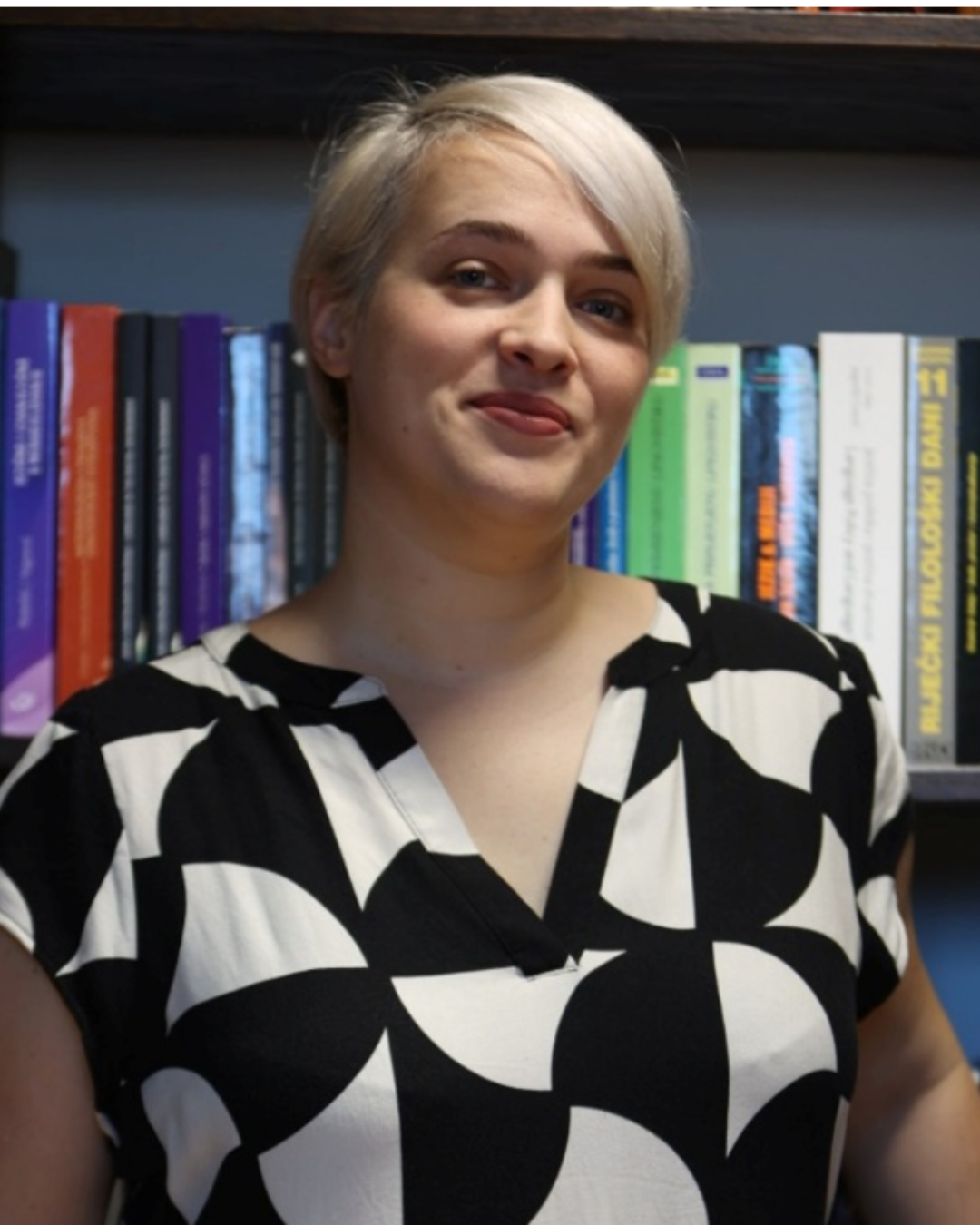
Ana Werkmann Horvat
Project leader
Ana Werkmann Horvat currently works as an associate professor at the Department of English Language and Literature at the Faculty of Humanities and Social Sciences in Osijek. After earning degrees in Croatian and English language and literature at Josip Juraj Strossmayer University of Osijek and in linguistics at the University of Ottawa, she completed her PhD in linguistics at the University of Oxford.
She is the author of two monographs and around twenty research articles, most of which have been published in international journals. Her recent research primarily focuses on the psycholinguistic aspects of multilingualism, polysemy, and figurative language, although she also studies other aspects of language comprehension.

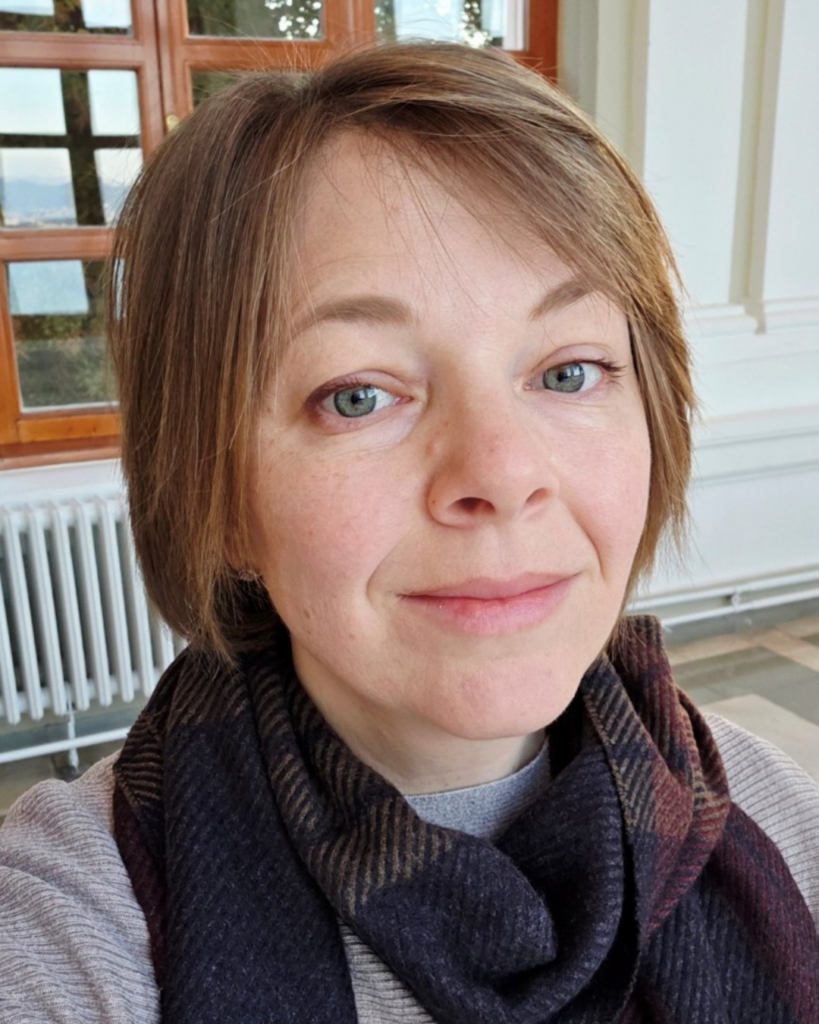
Mia Batinić Angster
Associate
Mia holds a graduate degree in Croatian and Italian and a doctoral degree from the Faculty of Humanities and Social Sciences at the University of Zagreb. As part of her postgraduate studies in Linguistics, she defended a dissertation on the syntax of reflexive words in Croatian and Italian. Since February 2012, she has worked at the Department of Linguistics, University of Zadar, where she now serves as the Head of Department.
She pursued further training abroad and collaborated on several domestic and international research projects. She is the author of several books and numerous scholarly articles. Her research interests include topics in syntax, morphology, and theoretical linguistics, such as locality in syntax, predicates, arguments and adjuncts, copular sentences, multiword expressions, bilingual first language acquisition, inflection and derivation, and modality.
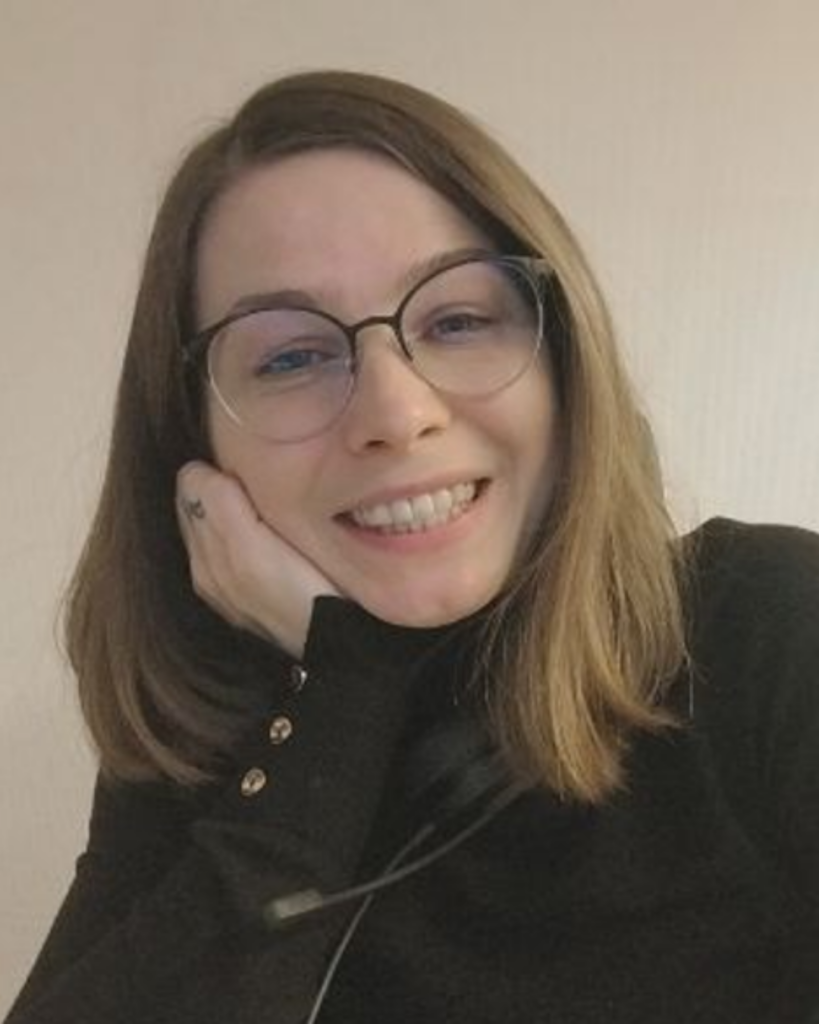
Sara Košutar
Associate
She is a postdoctoral researcher at the Department of Language and Culture at UiT The Arctic University of Norway, Center for Language, Brain and Learning, where she leads an independent project funded through the prestigious European Commission Marie Skłodowska-Curie Actions, MSCA, fellowship: Cross-linguistic Influence during Real-time Processing in Child Heritage Speakers, CLEAR.
She is also a researcher on a project funded by the Research Council of Norway, Multilingual Minds: Grammar Interaction in Multilingual Acquisition, MuMiN. Her research focuses on psycholinguistics, including language development, language processing, and multilingualism. In her postdoctoral work, she has a particular interest in Croatian as a second language.

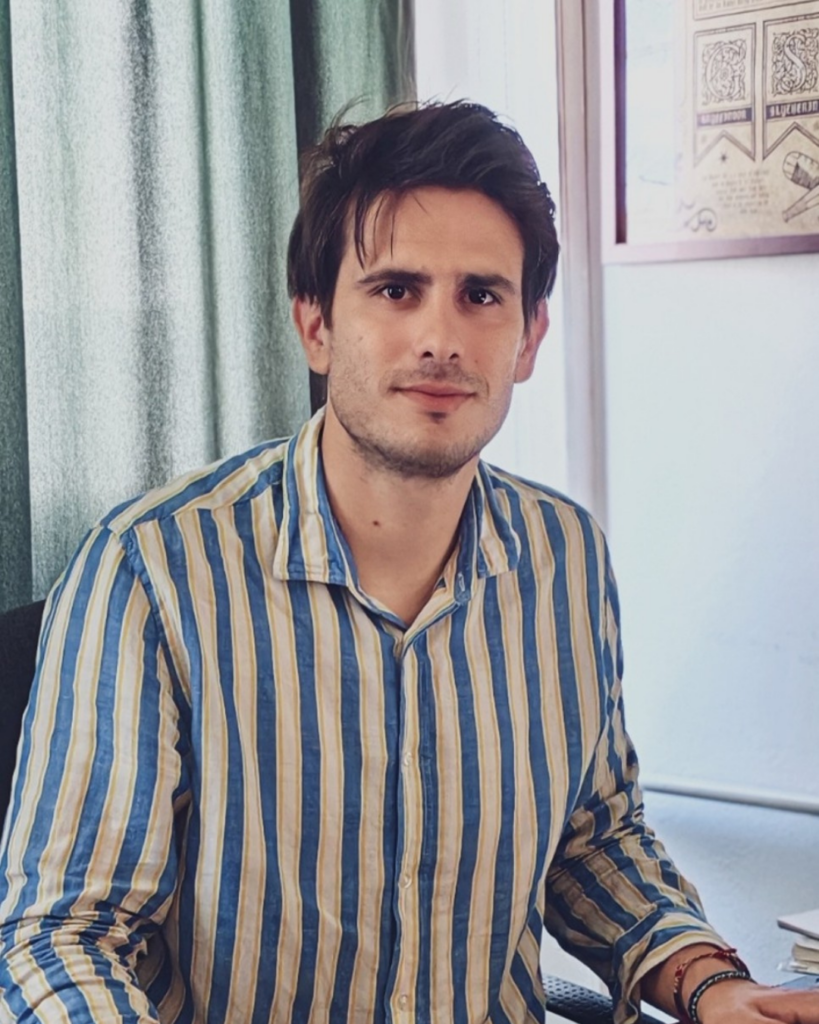
Jakov Proroković
Associate
He completed his graduate studies in English and Sociology at the University of Zadar in 2018. During his studies, as a recipient of student mobility scholarships, he also spent time at University College Dublin and Karl-Franzens-Universität Graz.
In 2019, he was employed as an assistant at the Department of Teacher and Preschool Teacher Education, where he also served as Erasmus coordinator and junior editor of the department’s scientific journal Magistra Iadertina.
He defended his doctoral dissertation in 2024 with the highest grade. His research interests include first and second language acquisition, as well as corpus-based and data-driven approaches to the study of language.
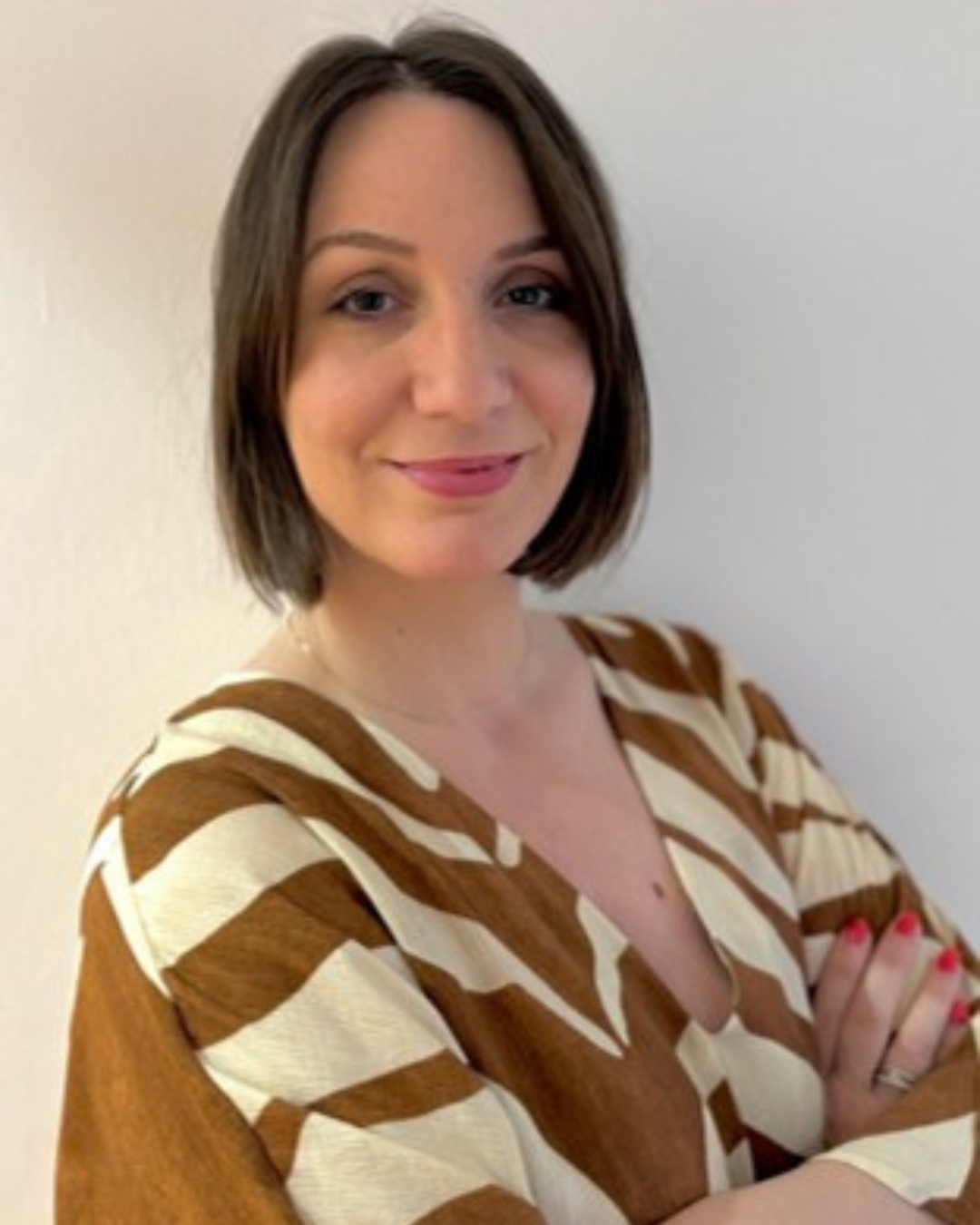
Ivana Trtanj
Associate
She is an associate professor at the Faculty of Education, Josip Juraj Strossmayer University of Osijek, and holds a doctorate in philology. Her research focuses on the acquisition of Croatian as a native language, with particular interest in early literacy, the development of discourse competence, and children’s narrative ability, a topic on which she has published a monograph.
She has collaborated on numerous research projects, including three competitive projects funded by the Croatian Science Foundation. At her home institution, she currently serves as Head of the Department of Croatian Studies, having previously served as Chair of the Subdepartment of Linguistics.
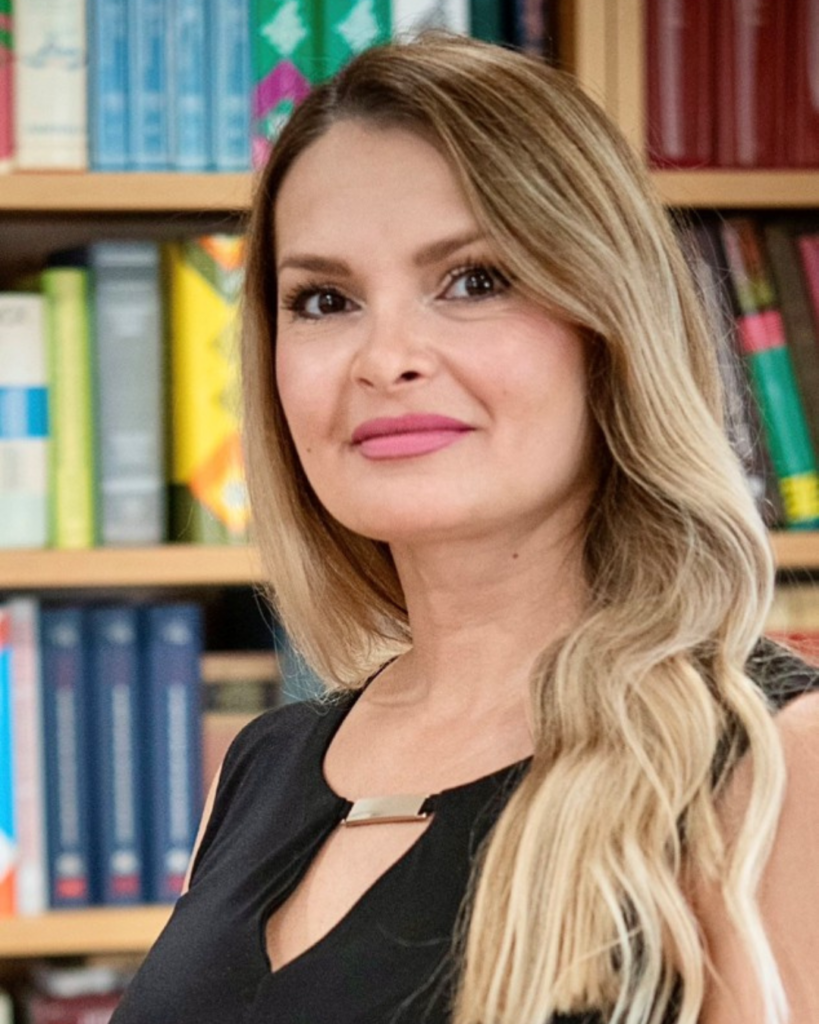
Kristina Štrkalj Despot
Consultant
She is a Tenured Scientific Advisor at the Institute for the Croatian Language and an Associate Member of the Croatian Academy of Sciences and Arts. She held prestigious research fellowships at the University of California, Berkeley, as a Fulbright Fellow and at the University of Oxford as an Open Society Fellow.
Her work has been recognized with four national awards, including two Croatian National Science Awards, in 2010 and 2024. She is the author of seven scholarly books and around fifty research articles. Her research focuses on cognitive linguistics, particularly figurative language, as well as lexicography and Croatian philology.
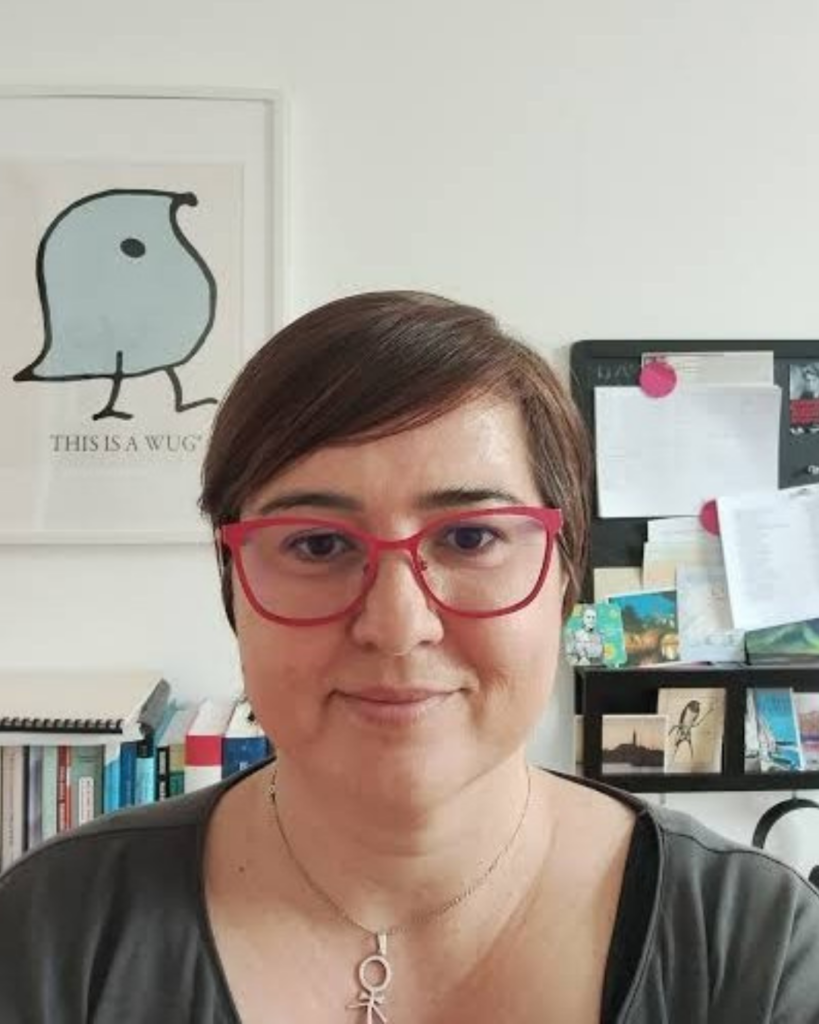
Gordana Hržica
Consultant